EVERY DAY IS A BLACK FRIDAY HERE AT THE OFFICE CHAIR MAN
SUMMER 2026 OFFER! (Ends 30 September 2026) Qty 1–5 5%, 6–10 10%, 11–15 15%,16–20 20%, 21+ 25% Saving.

Comfort is often overlooked in workplace planning, yet it has a direct influence on attendance, focus and output. When employees work in discomfort, the costs are not confined to individual wellbeing. They ripple across teams in the form of reduced concentration, more sick leave and higher staff turnover.
Ergonomic furniture offers a significant return on investment by directly improving employee comfort, which positively impacts attendance, focus, and overall workplace output. When staff work in discomfort, businesses face costs from reduced concentration, increased sick leave, and higher staff turnover. By supporting proper posture, movement, and morale, ergonomic design helps employees feel better and perform more effectively, thereby reducing absenteeism and boosting productivity.
At The Office Chair Man, we have seen how the right furniture transforms workplaces. Ergonomic design supports posture, movement and morale. It helps staff feel valued and physically capable of performing at their best. Investing in comfort is not about aesthetics. It is a business decision that can produce measurable financial returns.
As specialists in refurbished and used ergonomic furniture, we believe that high-quality design should be accessible to every organisation. Our refurbished furniture offers the same performance benefits as new products, at a fraction of the cost and environmental impact. In this article, we explore how comfort delivers a clear return on investment by reducing absenteeism and driving productivity.
Did you know that studies often show ergonomic interventions can yield returns of 2.5× to 6× the initial cost?

Ergonomics is the science of fitting work to people. In practical terms, it ensures that office furniture and equipment support the body in a neutral position, helping to prevent strain or fatigue.
The Display Screen Equipment (DSE) Regulations in the UK reflect these principles. They require employers to assess and reduce risks related to computer-based work. An ergonomic workstation therefore goes beyond comfort. It ensures compliance and fosters a healthier, more sustainable working environment.
When employees are properly supported, their focus and endurance improve. Over time, this leads to higher productivity and fewer musculoskeletal issues.

Musculoskeletal disorders are one of the leading causes of work-related absence in the UK. The Health and Safety Executive (HSE) reports that millions of working days are lost annually due to back, neck and upper limb problems. Poor workstation design is a significant contributor to these issues.
The cumulative effect is substantial. A modest reduction in absence across a medium-sized office can translate into thousands of pounds saved each year. Productivity also suffers when people cannot concentrate for long periods or work at full capacity.
When viewed from a financial perspective, comfort is not a luxury. It is an operational investment that reduces waste, stabilises teams and sustains output.

Ergonomic furniture directly addresses the root causes of common office-related health issues.
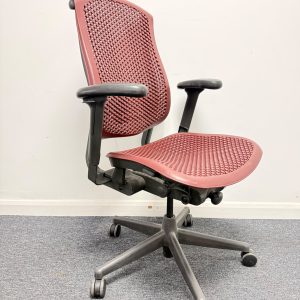
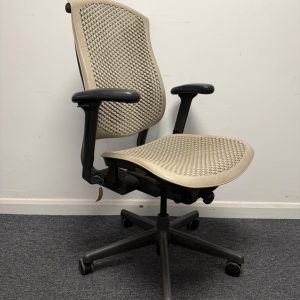
High-quality ergonomic chairs feature adjustable seat height, backrest tension, lumbar support and armrests. These features distribute pressure evenly across the spine and thighs, reducing strain on muscles and ligaments. A properly adjusted chair keeps the body aligned and prevents slumping, a common source of back pain.
Height-adjustable desks promote movement throughout the day. Alternating between sitting and standing improves circulation and reduces the health risks linked to prolonged static postures. Even fixed-height desks can be paired with footrests or monitor risers to optimise posture.
Monitor arms, keyboard trays and footrests play an important supporting role. They allow fine-tuning of the workspace to suit each user’s proportions. Small adjustments prevent repetitive strain injuries to the wrists, neck and shoulders.
Providing ergonomic furniture is only the first step. Employees should be shown how to use it correctly. Simple training on chair adjustment, posture and micro-breaks reinforces healthy habits.
When these factors work together, the reduction in discomfort and fatigue becomes evident. Staff are less likely to need time off for preventable conditions, creating a measurable improvement in attendance.

The productivity gains from ergonomics are both physical and psychological.
A well-designed workspace encourages energy and flow. People who can move freely, see clearly and work without discomfort sustain focus for longer periods. The quality of their work improves as mistakes caused by tiredness decrease.
Studies have consistently shown that ergonomic interventions raise productivity by 10–15 per cent in many office environments. While results vary, the direction of improvement is clear.
When productivity increases and absences fall, the financial benefit compounds. A single ergonomic chair can pay for itself within months through recovered time and improved performance.
To understand the return on investment, it helps to measure the before-and-after effects of ergonomic improvements.
| Metric | Description | Measurement method |
| Absence rate | Days lost to sickness per employee per year | HR data |
| Presenteeism | Reduced performance due to discomfort | Staff surveys or manager assessments |
| Productivity | Output per employee | Task tracking or project analytics |
| Staff retention | Turnover rate | HR data |
| Satisfaction | Self-reported comfort and morale | Employee feedback |
By tracking these metrics, companies can quantify both the human and financial benefits of ergonomics.
If a company spends £300 per person on refurbished ergonomic chairs and achieves a 0.5-day reduction in sick leave per employee (valued at £150 per day), the payback period is only four months. After that, the ongoing savings contribute directly to profit.
The ROI formula:
ROI = (Savings + Additional Output − Investment) ÷ Investment × 100%
When the initial cost is lowered through refurbished furniture, the return becomes even more attractive.

New ergonomic furniture delivers clear benefits, but refurbished options achieve the same results at lower cost. At The Office Chair Man, we restore premium-brand furniture to as-new condition. Our range includes Herman Miller, Steelcase, Vitra and Humanscale.
By choosing refurbished furniture, businesses reduce upfront costs without compromising on functionality or comfort. This approach improves ROI and aligns with corporate sustainability targets. Comfort becomes both affordable and responsible.
Partnering with an experienced supplier ensures that products meet both comfort and compliance standards. The Office Chair Man offers guidance on selection and setup for businesses of every size.
Common mistakes include purchasing chairs labelled “ergonomic” that lack genuine adjustability, neglecting staff training and failing to measure results. Without correct use and monitoring, even premium furniture cannot deliver its full value.
To avoid these issues:
A proactive approach ensures comfort translates into lasting ROI.
Comfort is not an indulgence. It is a practical investment that yields measurable returns through improved health, lower absenteeism and enhanced productivity. The evidence shows that when people feel physically supported, they perform better and stay engaged for longer.
Refurbished ergonomic furniture from The Office Chair Man makes this investment accessible to every organisation. Our products combine the quality of world-renowned brands with the value of sustainable refurbishment.
Now is the time to evaluate your workspace. Explore our range of refurbished ergonomic chairs and desks to discover how comfort can improve your bottom line.
Equip your team with comfort — contact us today for a consultation on refurbished ergonomic solutions.
Ergonomic furniture is designed to support the body's natural posture, reducing strain and discomfort. This can lead to fewer work-related injuries, less fatigue, and improved overall health for employees, ultimately resulting in fewer sick days and reduced absenteeism.
Investing in ergonomic furniture can yield a significant ROI by reducing costs associated with absenteeism and presenteeism, as well as improving employee retention. The benefits extend to increased productivity, better employee morale, and a healthier work environment, contributing to long-term business success.
Ergonomic furniture enhances productivity by minimizing physical discomfort and distractions, allowing employees to focus better and work more efficiently. It also promotes better posture and reduces the risk of musculoskeletal issues, contributing to improved physical and mental well-being throughout the workday.
To choose effective ergonomic furniture, businesses should prioritize items with adjustability to suit individual body types, proper lumbar and arm support, and materials that promote comfort. Ensuring furniture meets relevant workplace health and safety standards, such as DSE regulations, is also crucial for staff well-being and compliance.