EVERY DAY IS A BLACK FRIDAY HERE AT THE OFFICE CHAIR MAN
SUMMER 2026 OFFER! (Ends 30 September 2026) Qty 1–5 5%, 6–10 10%, 11–15 15%,16–20 20%, 21+ 25% Saving.

The modern workplace is undergoing a transformation, with hybrid working models becoming the norm for many businesses. Traditional office layouts, designed for a static, full-time workforce, are no longer suitable for today’s dynamic environment. Employees now shift between home and office, and teams need spaces that can adapt to fluctuating occupancy and evolving needs.
Modular office furniture is a versatile and practical solution designed to adapt to the dynamic needs of modern hybrid workspaces. This type of furniture offers flexibility, allowing businesses to reconfigure office layouts to accommodate fluctuating occupancy and evolving team requirements. Unlike traditional static office designs, modular systems enable quick adjustments, supporting employees who shift between home and office environments.
Modular office furniture has emerged as a versatile and practical solution. Offering flexibility, adaptability, and customisation, modular furniture helps businesses create spaces that meet the demands of a hybrid working environment. From reconfigurable desks to mobile storage units, these solutions are designed to support various working styles while maintaining functionality and style.
This article explores how modular office furniture can help organisations create adaptable, efficient workspaces that accommodate the evolving needs of the modern workforce. Whether reconfiguring a large conference room into smaller, collaborative zones or adapting workstations to meet individual needs, modular solutions can future-proof your office space for the hybrid era.

The hybrid working model—where employees split their time between the office and remote locations—has rapidly gained traction in the wake of global changes to work patterns. More companies now embrace flexibility, allowing employees to maintain a better work-life balance while still accessing collaborative office environments. However, this shift also presents challenges for office design.
Static workstations, fixed meeting rooms, and inflexible seating arrangements are no longer sufficient. Today’s businesses need workspaces that can adapt on the fly, catering to varying numbers of staff throughout the week and allowing for easy reorganisation when team structures change.
The hybrid model demands a fluid workspace, one that fosters productivity for those in the office without wasting valuable space on unused desks or rooms. Offices are increasingly becoming collaborative hubs rather than places for solo work, meaning spaces need to serve multiple purposes.
This is where modular office furniture shines. Its ability to be reconfigured, combined, or scaled down means businesses can quickly adapt their layout to fit the immediate need—whether that’s holding a large meeting one day or creating breakout spaces for smaller team activities the next. As companies adjust to hybrid working, modular furniture offers a practical, efficient, and future-proof solution for modern office design.

Modular office furniture refers to pieces that can be assembled, disassembled, or rearranged in various configurations to suit changing office layouts and needs. Unlike traditional fixed furniture, modular furniture is designed to provide flexibility, allowing for quick adjustments without the need for major refurbishments. This type of furniture includes desks, chairs, storage units, partition systems, and seating arrangements that are all adaptable.
The core characteristic of modular office furniture is its scalability. It allows businesses to add, remove, or reposition pieces as the workspace evolves, making it a cost-effective solution for growing or downsizing teams. Whether creating private workstations or collaborative zones, modular furniture empowers companies to rethink their space with minimal effort and disruption.
Another important aspect of modular furniture is mobility. Many modular items are designed with lightweight materials or come equipped with wheels, making it easy to move and rearrange them based on the immediate needs of the team. This mobility enhances the overall usability of a space, allowing for seamless transitions between different work modes throughout the day.
Modular office furniture offers flexibility for hybrid workspaces by allowing businesses to quickly rearrange office setups to accommodate fluctuating employee numbers and changing needs. This inherent adaptability means that whether expanding desks for a large group session or consolidating space during quieter periods, modular furniture ensures your workspace can keep up with the demands of hybrid work. As businesses increasingly transition to hybrid work, flexibility in workspace design becomes vital. Employees may work remotely some days and come to the office on others. Modular furniture can ensure that office spaces remain functional despite these changing dynamics. For instance, a large meeting room may need to become a cluster of individual workspaces in a matter of hours, something modular furniture easily facilitates.

One of the standout benefits of modular office furniture is its inherent flexibility. In a hybrid workspace, the number of employees in the office can fluctuate, making it difficult to commit to a fixed layout. Modular furniture allows businesses to rearrange their office setups quickly and without hassle. Whether expanding desks for a large group session or consolidating space during quieter periods, modular furniture ensures that your workspace can keep up with the demands of hybrid work.
Modular office furniture provides cost-effectiveness by allowing companies to avoid frequent expensive renovations, as the system can evolve with their needs. Instead of purchasing entirely new furniture when your team grows or shrinks, modular pieces can be added, reduced, or reconfigured. This scalability minimises the cost of adapting to changing work environments, making modular furniture a cost-effective investment in the long term. In addition to the immediate savings in avoiding large-scale refits, modular furniture provides a long-term return on investment. Because of its flexible nature, companies don’t need to worry about purchasing new furniture every time they expand or reorganise. The adaptability of modular systems also means that companies won’t need to replace the furniture even as the demands of the workforce shift, such as needing more collaboration spaces or accommodating hot-desking policies.
Office redesigns can be expensive and time-consuming. With modular office furniture, companies can avoid frequent renovations by investing in a system that can evolve with their needs. Instead of purchasing entirely new furniture when your team grows or shrinks, modular pieces can be added, reduced, or reconfigured. This scalability minimises the cost of adapting to changing work environments, making modular furniture a cost-effective investment in the long term.
Modular office furniture contributes to sustainability by being a practical and eco-friendly choice, as many manufacturers use eco-friendly materials, and its reconfigurable nature allows pieces to be repurposed, reducing wasteful disposals and replacements. By opting for modular solutions, companies can significantly lower their carbon footprint while still maintaining a stylish and functional office environment. The sustainability aspect goes further than simply using recycled materials. Modular furniture is designed to have a longer lifecycle than traditional fixed furniture. Instead of discarding entire workstations when layouts need to change, businesses can simply reassemble or add to their existing modular systems. This cuts down on waste and aligns with corporate sustainability goals, which are increasingly important for businesses committed to reducing their environmental impact.
Modular furniture is not just practical—it’s also a sustainable choice. Many manufacturers are now focusing on producing modular furniture using eco-friendly materials. Additionally, the reconfigurable nature of these pieces means they can be repurposed, reducing the need for wasteful disposals and replacements. By opting for modular solutions, companies can significantly lower their carbon footprint while still maintaining a stylish and functional office environment.
Modular office furniture enhances employee wellbeing in hybrid workspaces by promoting comfort and reducing strain through ergonomically designed pieces like height-adjustable desks, modular seating with lumbar support, and flexible workstations. Hybrid workspaces must cater to various employee needs, from those spending the entire day in the office to those who come in for brief collaborative sessions. An office that prioritises employee wellbeing is one that will ultimately boost productivity and job satisfaction. Modular office furniture can be tailored to different working styles. Whether employees prefer standing workstations or more relaxed lounge areas, modular solutions offer the adaptability to support different working habits. Customisable features like adjustable desk heights and movable partition walls mean employees can optimise their workspace for comfort and efficiency.
Hybrid workspaces must cater to various employee needs, from those spending the entire day in the office to those who come in for brief collaborative sessions. Ergonomically designed modular furniture promotes employee comfort and wellbeing, enhancing productivity and reducing the risk of strain or injury. Height-adjustable desks, modular seating with lumbar support, and flexible workstations contribute to a healthy, adaptable environment where employees can thrive.
An office that prioritises employee wellbeing is one that will ultimately boost productivity and job satisfaction. Modular office furniture can be tailored to different working styles. Whether employees prefer standing workstations or more relaxed lounge areas, modular solutions offer the adaptability to support different working habits. Customisable features like adjustable desk heights and movable partition walls mean employees can optimise their workspace for comfort and efficiency.

Modular desks and workstations are a key feature of hybrid offices. Adjustable and reconfigurable, these desks can easily accommodate different team sizes or functions. For instance, individual desks can be combined into a larger collaborative space or separated to create private workstations. Many desks are also height-adjustable, promoting both seated and standing work to suit employee preferences.
In a hybrid workspace, privacy and noise control are often a concern. Modular partition systems provide an effective solution by creating flexible barriers between different areas of the office. These partitions can be moved, reassembled, or expanded to create designated zones for focus, collaboration, or quiet work. This adaptability ensures that employees can adjust their surroundings to meet the needs of the moment without compromising the open-office feel.
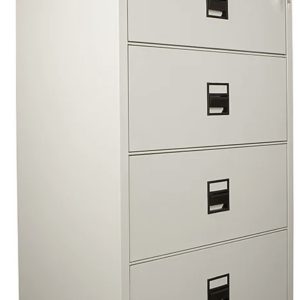
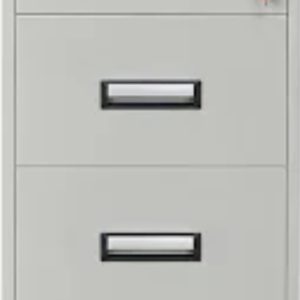
Another essential component of modular office furniture is mobile storage. Modular storage units offer multi-functionality, acting as both personal storage and shared resources that can be relocated easily. Whether used to organise office supplies, personal items, or documents, these storage units ensure that office clutter is kept under control without disrupting the flexible layout.
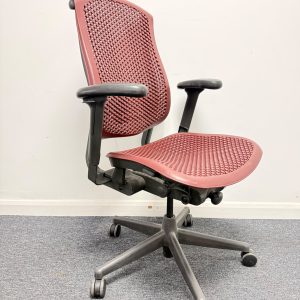
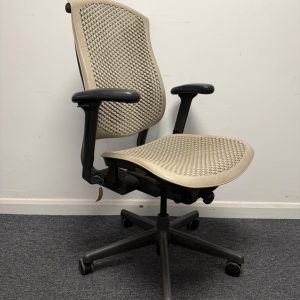
Comfortable seating is essential for any office, especially in a hybrid model where employees may be in and out throughout the day. Modular seating solutions, such as stackable chairs or modular sofas, provide the versatility to accommodate different group sizes and needs. Ergonomically designed chairs promote comfort, while flexible seating arrangements allow for quick shifts between collaborative work and individual focus.

To maximise the benefits of modular office furniture, it’s essential to approach office design with adaptability in mind. Here are some key tips for designing a flexible, modular workspace:
You should start with a plan for modular office furniture because it works best when aligned with the flow of your business and your team's fluctuating needs throughout the week. Consider your team’s needs and how they fluctuate throughout the week. Modular furniture works best when aligned with the flow of your business. Map out areas for collaboration, quiet work, and breakout spaces that can easily transition as needed.
You should invest in multi-functional modular office furniture because it adds value to your space by serving more than one purpose. Choose furniture that serves more than one purpose. Desks that convert into standing workstations, storage units that double as room dividers, or modular seating that can be rearranged for different meeting sizes will add value to your space.
You should prioritise mobility in modular office furniture for hybrid work because the ability to quickly rearrange your office layout is crucial for hybrid work setups. Select lightweight or wheeled furniture for easy movement. The ability to quickly rearrange your office layout can be crucial for hybrid work setups.
You can create zones with modular office furniture in hybrid workspaces by using modular partitions or storage units to create distinct zones within an open-plan office. This allows employees to switch between different work modes seamlessly, from collaborative areas to quiet focus spaces.
Modular office furniture is a game-changer for businesses embracing the hybrid working model. With its flexibility, cost-effectiveness, sustainability, and employee-focused design, modular furniture is the key to creating an adaptable and efficient workspace.
As companies continue to navigate the changing demands of hybrid work, investing in modular solutions can future-proof office layouts, enabling businesses to scale up or down with ease while maintaining productivity and comfort.
By focusing on flexible, adaptable furniture solutions, businesses can create work environments that not only cater to immediate needs but also evolve alongside the company. Modular office furniture provides the versatility, sustainability, and ergonomic benefits required for hybrid workspaces, helping to future-proof the office in a world where change is the only constant.
Discover the perfect balance of comfort, style, and adaptability with The Office Chair Man’s innovative modular office furniture—designed to future-proof your workspace for the hybrid era.
If you’re interested in exploring more about how modular office furniture can benefit hybrid workspaces and enhance productivity, check out these informative articles:
Modular office furniture consists of adaptable components that can be reconfigured to suit changing needs. This approach offers flexibility to adapt to hybrid workspaces, promoting efficiency and sustainability. It allows for dynamic layouts that support various work styles.
Modular furniture's reconfigurability means you can adapt existing pieces rather than buying new, which can lead to cost savings. By choosing modular solutions, businesses can also contribute to sustainability by maximizing the lifespan of furniture and reducing waste.
For flexible layouts, options often include collaborative seating, office booths, and pods that can be arranged for different team sizes or individual focus. High tables and breakout seating also contribute to adaptable spaces, allowing for varied work settings.
Modular furniture can enhance wellbeing by providing diverse work settings, from collaborative zones to quiet focus areas, catering to individual preferences. This adaptability can reduce discomfort and support different tasks, potentially boosting productivity in a hybrid setup.