EVERY DAY IS A BLACK FRIDAY HERE AT THE OFFICE CHAIR MAN
2026 Happy New Year from the team at The Office Chair Man
As the calendar turns and companies set fresh ambitions for environmental, social and governance priorities, one aspect of workplace fit-out often slips under the radar: furniture. Yet the choices a business makes when sourcing desks, chairs, pods and storage can have a meaningful impact on sustainability credentials.
At The Office Chair Man, we believe that selecting high-quality used or refurbished office furniture is a practical route to fulfilling green goals, without compromising on comfort, design or performance. With over 25 years of experience furnishing businesses of all sizes with recycled and used office furniture, we bring together expertise, quality assurance and a genuine commitment to the circular economy.
By exploring how used furniture aligns with each element of ESG, the environmental, social and governance outcomes, this article explains the benefits, provides actionable steps and offers a framework for embedding furniture reuse into your New Year strategy.
Did you know? Used furniture can reduce embodied-carbon by up to 70 % compared with new manufacture.

Environmental (E): This pillar covers issues such as reducing carbon emissions, avoiding waste, conserving resources and embracing the circular economy. Furniture decisions matter here because manufacturing, transporting and disposing of office furniture all consume energy and materials. Opting for reused furniture helps limit those impacts.
Social (S): Furniture plays a direct role in employee wellbeing, ergonomics, health & safety and workspace equality. Sourcing responsibly and providing quality workspace infrastructure can improve staff comfort, raise morale and contribute to a positive workplace culture.
Governance (G): Procurement of furniture intersects with governance when organisations set policies for responsible sourcing, track lifecycle costs, manage asset disposal and ensure transparency in supplier relationships. Having a clear furniture strategy supports good governance with measurable outcomes.
In the built environment of workplaces, furniture is often a long-lived asset. Chairs, desks, pods and storage units typically remain in use for years, so decisions made now shape future impacts.
When an organisation specifies new furniture without considering reuse or refurbishment alternatives, it tends to lock in higher resource use, increased procurement costs and shorter life-cycles.
In contrast, integrating used or refurbished furniture enables companies to align their workplace design with ESG strategy, supporting environmental goals, enhancing social outcomes for staff and embedding governance discipline into procurement and asset-management practices.
When furniture is reused instead of discarded, it avoids premature disposal and reduces the volume that ends up in landfill. At The Office Chair Man we emphasise the ethos of “Save, Recycle, Re-Use” and the importance of diverting furniture from waste streams. Using pre-owned items ensures high-value materials remain in use and reduces the burden on waste infrastructure.
Manufacturing new office furniture consumes raw materials, energy and transport resources. Each piece carries a so-called embodied-carbon cost from extraction through production and delivery. According to our article on circular economy, refurbished furniture can deliver up to 70% savings in embodied carbon compared with new manufacturing.
Here is a simple comparison:
| Item type | New production embodied carbon (index) | Refurbished/used option embodied carbon | % |
| Office desk or chair | 100 (benchmark) | ~30 | ~70% reduction |
| Storage unit | 100 | ~30–40 | ~60–70% reduction |
By extending the life of furniture, companies reduce demand for raw materials, cut manufacturing emissions and reduce transport-related impact. The circular model means that materials are kept cycling rather than moving into disposal quickly.
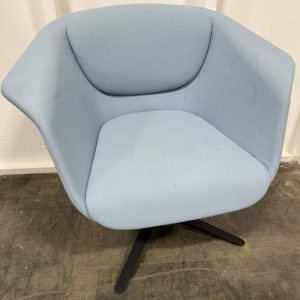
Furniture by nature is durable and often repairable. Many chairs, desks and storage units from premium manufacturers are designed to last. The Office Chair Man stocks leading brands such as Herman Miller, Steelcase, Vitra, Humanscale and Orangebox in second-life condition.
Items leave our warehouse once they have passed a minimum 30-point checklist for safety, function and appearance. We offer up to 75% off recommended retail price (RRP) for many pre-owned items.
This strategy aligns with the circular economy: rather than the “take-make-dispose” linear model, we promote reuse, refurbishment and re-deployment. As The Office Chair Man puts it, “We combine over 25 years of experience in supplying only the highest quality recycled office furniture and used office chairs.”
Reducing procurement spend is not purely about cost—it supports sustainability. When businesses spend less on furniture, budgets can be redirected to other green initiatives (for example, better lighting, improved HVAC controls or staff-wellbeing programmes). With used furniture pricing at up to 75% below RRP, the return on investment becomes clear.
Having a UK-wide delivery capability from our Reading base means we can optimise logistics and reduce freight-related emissions. We also manage packaging waste and offer product condition checks so that additional re-shipping or replacements are minimised.
Summary: For the environmental dimension of ESG, investing in used office furniture is an effective lever: it reduces waste, cuts carbon, supports circularity and generates cost-benefits that complement sustainability efforts.

Used does not mean compromised. The Office Chair Man ensures that all items are refurbished to high standards so that ergonomic performance, durability and appearance are maintained. By selecting top brands at lower cost, organisations can equip more employees with quality chairs, desks and collaborative furniture, thereby enhancing health, comfort and productivity.
When we engage in refurbishment and reuse, we are supporting circular business models which in turn bring local economic activity in data such as logistics, repair and upholstery. This helps generate jobs in refurbishment services, and by promoting reuse, we contribute to broader social value beyond mere procurement.
Visible furniture decisions send a message: sustainable procurement is part of the corporate DNA. When staff walk into a workspace furnished with high-quality reused furniture and know it formed part of the organisation’s green strategy, it helps reinforce behaviours around sustainability, reuse and responsibility.
Because used furniture lowers upfront costs, smaller enterprises and charities can access premium ergonomic furniture that might otherwise be cost‐prohibitive if purchased new. Thus equality of workspace becomes more feasible: a small firm can afford the same ergonomic standards as larger competitors.
The Office Chair Man offers a fully audited, environmentally-friendly clearance solution that captures items for re-use, resale or recycling, thereby closing the loop. This means organisations can plan ahead for asset end-of-life, rather than letting disposal become ad-hoc and unmanaged.
Summary: Under the social pillar of ESG, used office furniture supports employee comfort, ethical supply chains, inclusive purchasing and a culture of sustainability.

Organisations should embed criteria in their procurement policies favouring used/refurbished furniture as a priority wherever feasible. For example, companies might set a target that “at least 40% of furniture acquisitions each year shall be reused or refurbished” or “new furniture purchases must meet a reuse threshold unless no suitable alternative is available”.
Tracking furniture as part of asset registers helps governance. When organisations document what furniture was purchased from whom, the condition at receipt, the refurbishment history and the expected lifespan, they enhance transparency. At The Office Chair Man we enforce a 30-point inspection checklist for all items, which aids audit-readiness and quality assurance.
Choosing a partner with demonstrated experience and operational infrastructure matters. With over 25 years of experience and a large UK stock of premium brand items, The Office Chair Man offers confidence in both supplier pedigree and product condition. Procurement teams should include criteria such as: refurbishment inspection records, supply of premium brands, delivery logistics, returns and maintenance policy.
Used furniture supports budget control and easier business-case justification. Lower capital outlay and shorter payback periods help underpin ESG investment decisions. Organisations can report savings in cost and carbon, linking furniture procurement to broader sustainability metrics.
Part of governance is planning for disposal or redeployment from day one. By partnering with a service that offers audited clearance and resale or recycle options, organisations avoid the “landfill legacy” trap and demonstrate full life-cycle thinking.
Here are example KPIs to include in an office-furniture reuse programme:
Summary: Used office furniture is not just an environmental choice—it supports rigorous governance, responsible procurement and measurable ESG reporting.
Begin by reviewing your existing furniture: age, condition, brand, ergonomics, remaining useful life. Identify upcoming changes: relocation, expansion, refurbishment or layout redesign. Understand which items are due for replacement and which can be retained or redeployed.
Develop or update procurement policy to include specific criteria for used/refurbished furniture: for instance, require that suppliers provide documentation of inspection, condition and brand. Set budget parameters that reflect cost savings from reuse (for example using our “up to 75% off RRP” benchmark). Choose suppliers with strong track records of quality and sustainability—such as The Office Chair Man.
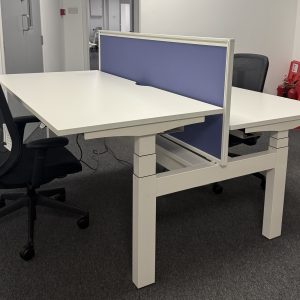
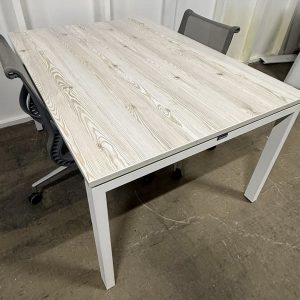
Decide on required furniture types (chairs, desks, benching, storage, pods). Prioritise brands known for durability and refurbishability (the Office Chair Man stocks Herman Miller, Steelcase, Vitra, Humanscale, Orangebox). Ensure supplier provides refurbishment inspection (30-point checklist) and a warranty or return policy. Consider condition, aesthetic, ergonomics and delivery timeline.
Coordinate delivery logistics to minimise disruption and environmental impact. The Office Chair Man offers nationwide UK delivery, with large-quantity installations handled by in-house specialist teams and smaller orders via national courier. Plan packaging reuse, minimal waste and confirm installation teams remove existing furniture responsibly (e.g., partner for clearance and reuse).
From the outset plan for the eventual reuse or resale of furniture. Use a clearance partner that offers audited, environmentally-friendly disposal or resale (e.g., The Office Chair Man’s clearance service). This ensures you avoid landfill legacies and maintain the circular flow of materials.
Set up a measurement framework: capture cost savings, estimated carbon savings (up to 70% less embodied carbon), number of items reused, and waste diverted. Communicate results internally (to staff) and externally (in ESG reports). This not only shows accountability but also builds credibility around your sustainability approach.
Review furniture condition, staff feedback, reuse rates and procurement outcomes annually. Adjust your policy, budget or supplier list as necessary. Establish a “furniture-reuse champion” role within your team to maintain momentum and ensure that future refurbishments default to reuse over new-buy.
While preserving client confidentiality, here are scenarios that mirror typical outcomes when a business works with The Office Chair Man:
Example A: A mid-sized business replaced its 120 new task chairs with pre-owned chairs supplied and refurbished through The Office Chair Man. The cost of procurement was reduced by approximately 70%, an estimated 4 tonnes of material were diverted from landfill and ergonomic satisfaction scores improved among staff.
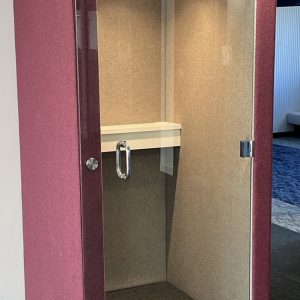
Example B: A relocation of a 200-desk office used a mix of reused desks, storage units and acoustic pods sourced via The Office Chair Man. The budget was reduced by almost half compared with sourcing new, and the organisation reported an estimated embodied-carbon saving of “up to 70%” per item. The furniture provider also handled clearance of existing items, audited disposal and ensured everything was reutilised or recycled.
These examples illustrate how combining reused furniture with strong sourcing, inspection and life-cycle planning can generate measurable financial, environmental and employee-wellbeing benefits.
The start of a year is a strategic moment to refresh your sustainability agenda. Incorporating reused furniture into your New Year green goals offers a tangible, achievable initiative:
By linking furniture procurement with your broader ESG strategy, you demonstrate that sustainability is woven into everyday business decisions. Used furniture need not mean compromise. It means smart choices aligned with your green ambitions.
Selecting high-quality used office furniture is a practical and effective way to support your organisation’s ESG ambitions in the New Year. It aligns with the environmental goal of reducing waste and carbon, enhances the social dimension by supplying ergonomic and inclusive workspaces, and strengthens governance through responsible procurement and lifecycle transparency.
At The Office Chair Man we have over 25 years of experience in supplying recycled and used office furniture, including leading brands and nationally-accredited delivery and clearance services. We invite you to audit your furniture strategy, engage a trusted partner and set measurable targets for the year ahead. Make the decision now: furnish your workspace responsibly, save cost, reduce environmental impact and deliver value for your team and your stakeholders.
Contact us today to explore how second-life office furniture can drive your ESG strategy forward.