EVERY DAY IS A BLACK FRIDAY HERE AT THE OFFICE CHAIR MAN
SUMMER 2026 OFFER! (Ends 30 September 2026) Qty 1–5 5%, 6–10 10%, 11–15 15%,16–20 20%, 21+ 25% Saving.

Your personal office space is more than just a place to work; it’s a sanctuary where you can focus, create, and bring your ideas to life. The design of your workspace can have a profound impact on your productivity, motivation, and overall well-being. A well-designed office space should cater to your unique needs and preferences, fostering an environment that promotes both focus and creativity. By carefully considering elements such as ergonomics, lighting, colour, storage, and personalisation, you can create a space that not only supports your work but also inspires and energises you.
Designing a personal office space effectively can significantly boost focus, creativity, and overall well-being by creating an environment tailored to individual needs. A well-optimized personal office space integrates crucial elements such as ergonomics, appropriate lighting, strategic colour choices, efficient storage, and personal touches. These considerations collectively foster an inspiring and productive atmosphere, directly impacting an individual's motivation and output.
In this article, we will explore the key elements of designing a personal office space that enhances focus and creativity, helping you to unlock your full potential and achieve your goals. Whether you work from home or have a dedicated office, these design principles will guide you in creating a space that is both functional and inspiring.
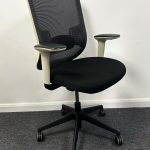
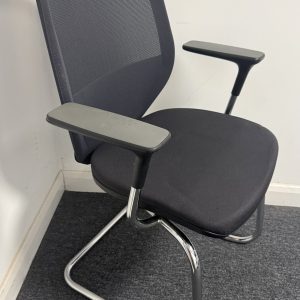
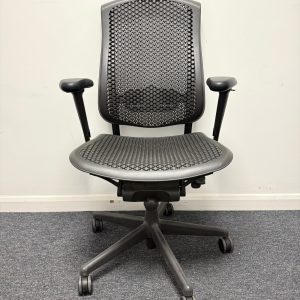
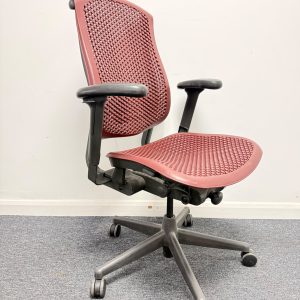
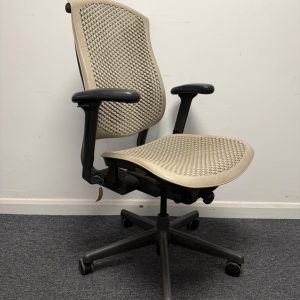
Ergonomics play a crucial role in maintaining your physical health and well-being while working in your personal office space. Investing in a high-quality, adjustable office chair is one of the most important decisions you can make. An ergonomic chair should provide adequate lumbar support, adjustable armrests, and a comfortable seat cushion. Look for chairs with features such as seat height adjustment, tilt tension control, and backrest recline, which allow you to customise the chair to your body’s needs. A supportive and comfortable seat will help reduce the risk of back pain, neck strain, and other musculoskeletal issues that can arise from prolonged sitting.
Choosing the right desk is equally important for your comfort and productivity. Consider whether a standing desk or a traditional sitting desk best suits your needs. Standing desks have gained popularity in recent years due to their potential health benefits, such as reducing the risk of obesity, diabetes, and cardiovascular disease. If you opt for a standing desk, make sure to choose one with an adjustable height feature, allowing you to alternate between sitting and standing throughout the day. If you prefer a traditional desk, pay attention to its size and shape, ensuring that it provides ample space for your work materials and equipment while allowing for comfortable movement and positioning.
Proper positioning of your computer screen, keyboard, and mouse is essential for reducing eye strain and preventing repetitive strain injuries. Your computer screen should be positioned at eye level, about an arm’s length away from your body. This ideal viewing distance and angle help to minimise neck and eye strain. Your keyboard and mouse should be placed at a height that allows your elbows to rest comfortably at a 90-degree angle, with your wrists in a neutral position. Consider investing in ergonomic keyboards and mice designed to reduce strain on your hands and wrists.
Finally, remember to maintain good posture and take regular breaks throughout your workday. Sit with your feet flat on the floor, your back straight, and your shoulders relaxed. Take short breaks every 30 minutes to an hour, standing up, stretching, and allowing your eyes to focus on distant objects. By prioritising ergonomics and comfort in your personal office space, you can create a workspace that supports your physical well-being and enhances your overall productivity.

Lighting and colour are powerful tools in creating an office space that promotes focus, productivity, and creativity. The right lighting can help to reduce eye strain, improve mood, and boost energy levels, while the strategic use of colour can influence your emotional state and cognitive performance.
When it comes to lighting, a combination of natural and artificial light is ideal. Natural light exposure has been shown to improve mood, sleep quality, and overall well-being. To maximise natural light in your office, position your desk near a window and consider using sheer or light-filtering curtains to diffuse harsh glare. If natural light is limited, invest in high-quality artificial lighting that mimics the spectrum of daylight.
For focused work, task lighting is essential. Adjustable desk lamps or under-cabinet lighting can provide targeted illumination for reading, writing, and other detail-oriented tasks. Ambient lighting, such as overhead fixtures or floor lamps, can be used to create a comfortable overall illumination in the room. When selecting artificial lighting, pay attention to the colour temperature and brightness. Cool white light (4000-6000K) is often recommended for tasks that require high concentration, while warmer light (2700-3000K) can create a cosy and relaxing atmosphere.
The psychology of colour is another important consideration in workspace design. Different colours can evoke specific emotional responses and influence cognitive performance. For example, blue is often associated with calmness, trust, and focus, making it an excellent choice for a productivity-oriented workspace. Green is known for its balanced and harmonious qualities, promoting a sense of tranquillity and reducing eye strain. Yellow and orange are energising and creative colours that can stimulate mental activity and innovation.
When incorporating colour into your personal office space, consider using paint, furniture, and accessories to create a cohesive and inspiring palette. A feature wall in a bold, energising colour can serve as a focal point and a source of motivation. Alternatively, you can opt for a neutral base with colourful accents in the form of artwork, throw pillows, or office supplies. Remember to choose colours that resonate with your personal preferences and work style, as the right colour scheme can have a significant impact on your overall well-being and productivity.
By optimising lighting and colour in your personal office space, you can create an environment that supports your focus, creativity, and emotional well-being. Experiment with different combinations to find the perfect balance that works for you, and don’t be afraid to make adjustments as your needs and preferences evolve over time.

A clutter-free workspace is essential for maintaining mental clarity and focus. When your office is well-organised and free from unnecessary distractions, you can concentrate on your work and be more productive. To achieve this, it’s important to assess your storage needs based on your work style and the materials you use regularly.
Vertical storage solutions are an excellent way to maximise space and keep your office organised. Wall-mounted shelves and cabinets provide ample storage without taking up valuable floor space. They can be used to store books, binders, and other reference materials, keeping them easily accessible but out of the way. Pegboards and hanging organisers are another option for storing frequently used tools and supplies, such as scissors, tape, and pens.
Drawer and cabinet organisation is crucial for maintaining a tidy workspace. Implement a labelling system to clearly identify the contents of each drawer or cabinet, making it easy to find what you need when you need it. Use dividers and trays to separate items and keep them organised within the drawers. This not only saves time but also reduces the stress of searching for misplaced items.
Cable management is another important aspect of maintaining a clutter-free office. Tangled wires and cords can be unsightly and create a tripping hazard. Use cable ties and clips to bundle and route wires along the back of your desk or along the wall. Cable management boxes and sleeves can help to conceal wires and create a more streamlined appearance.
To keep your personal office space organised in the long term, develop a regular cleaning and organisation routine. Set aside time each week to tidy up your desk, file away papers, and discard any unnecessary items. This routine will help you maintain a clutter-free environment and prevent the build-up of stress and distraction that can come from a disorganised workspace.
By investing in smart storage solutions and developing good organisational habits, you can create a personal office space that promotes focus and productivity. A well-organised workspace not only improves your work performance but also contributes to a greater sense of control and well-being in your professional life.

Personalising your office space can have a profound impact on your motivation and overall job satisfaction. By surrounding yourself with meaningful and inspiring elements, you can create a workspace that reflects your personality and fuels your passion for your work.
One of the most effective ways to personalise your office is by displaying photos, artwork, and mementos that hold special significance to you. Choose pieces that inspire you, evoke positive emotions, or remind you of your goals and achievements. A gallery wall or photo collage can be a great way to showcase these items while adding visual interest to your office. Consider using a mix of framed photos, prints, and other artwork to create a dynamic and engaging display.
Incorporating plants and natural elements into your office design is another way to add a personal touch while promoting a sense of well-being. The psychological benefits of biophilic design, which emphasises the human connection to nature, are well-documented. Studies have shown that the presence of plants in the workplace can reduce stress, improve air quality, and boost creativity. Choose low-maintenance plants that thrive in indoor environments, such as snake plants, pothos, or succulents, and place them strategically around your office to create a calming and rejuvenating atmosphere.
Inspirational quotes and affirmations can be powerful tools for staying motivated and focused on your goals. Select quotes that resonate with your values and aspirations, and display them prominently in your office. Wall decals, prints, and DIY projects are all great options for incorporating motivational messages into your workspace. Seeing these reminders daily can help to reinforce a positive mindset and keep you motivated even during challenging times.
Creating a vision board is another effective way to personalise your office space and stay inspired in the long term. A vision board is a collage of images, words, and phrases that represent your personal and professional goals. By visualising your success and the steps needed to achieve it, you can maintain a clear sense of purpose and direction in your work. Place your vision board in a prominent location, such as above your desk or on a nearby wall, and take a few moments each day to reflect on your goals and progress.
By personalising your office space with meaningful and inspiring elements, you can create an environment that not only reflects your unique personality but also supports your professional growth and well-being. Remember, your workspace should be a source of motivation and inspiration, empowering you to achieve your goals and reach your full potential.

Technology plays a crucial role in our work lives. Investing in the right tools and equipment can significantly enhance your productivity and streamline your workflow. When designing your personal office space, consider the technology and productivity tools that will best support your needs.
At the heart of your office setup is your computer. Choose a reliable and efficient machine that can handle your specific work requirements. Consider factors such as processing power, memory, storage, and display quality when making your selection. For those who multitask or work with multiple applications simultaneously, a dual-monitor setup can be a game-changer. Having two screens allows you to easily reference information, compare documents, and streamline your workflow, ultimately increasing your productivity.
Noise-cancelling headphones are another valuable tool for improving focus and concentration in your personal office space. By reducing auditory distractions, such as background noise or conversations, these headphones can help you maintain a deep level of focus and immerse yourself in your work. Look for headphones with features such as active noise cancellation, comfortable ear cushions, and long battery life for optimal performance and comfort.
In addition to hardware, there are numerous productivity apps and software tools available to help you stay organised, manage your time, and streamline your tasks. Task management and to-do list apps, such as Todoist or Trello, can help you prioritise your workload and ensure that nothing falls through the cracks. Time-tracking and Pomodoro technique tools, like Toggl or Focus@Will, can help you maintain a balanced and productive work schedule. For those who struggle with digital distractions, distraction-blocking software, such as Freedom or Cold Turkey, can temporarily block access to social media, email, or other time-wasting websites during focused work sessions.
Ergonomic accessories can also play a significant role in your comfort and efficiency. Wrist rests and mouse pads help to reduce strain on your wrists and hands during extended computer use. Document holders and laptop stands can improve your posture and reduce neck strain by positioning your materials at eye level.
Finally, remember to perform regular technology maintenance and updates to ensure that your tools are running smoothly and securely. By investing in the right technology and productivity tools for your personal office space, you can create an environment that supports your work style, enhances your focus, and ultimately boosts your overall productivity.

Fostering creativity is essential for generating new ideas, solving complex problems, and driving innovation in your work. When designing your personal office space, consider incorporating elements that promote creative thinking and inspiration.
A dedicated brainstorming and ideation space can be a valuable addition to your office. This area should be separate from your main workspace and designed to encourage free-flowing thoughts and collaboration. Whiteboards and brainstorming walls are excellent tools for visual thinking and problem-solving. Place these writable surfaces in accessible and visible locations, such as on a large wall or a mobile easel, to encourage spontaneous ideation and mind mapping.
Incorporating tactile and hands-on elements into your creative space can also help to stimulate creativity and reduce mental blocks. Fidget toys, stress balls, and other manipulatives can provide a physical outlet for restless energy and help to promote focus and concentration. Building blocks, puzzles, and other brain teasers can challenge your mind and encourage creative problem-solving. Sketch Pads, drawing materials, and other art supplies can help to unlock your visual creativity and provide a break from screen-based work.
In addition to functional elements, consider incorporating playful and unconventional design features into your creative space. Unique furniture pieces, such as a hanging chair or an asymmetrical bookshelf, can add visual interest and inspire creative thinking. Bold patterns, textures, and colours can stimulate your senses and provide a refreshing change from a traditional office environment. Interesting lighting fixtures, such as pendant lights or colourful LED strips, can create a dynamic and engaging atmosphere.
Finally, allow for flexibility and adaptability in your creative space. Movable furniture, modular storage solutions, and adjustable lighting can enable you to reconfigure the space as needed to suit different creative tasks and collaboration styles.
By designing a dedicated creative space within your personal office, you can foster an environment that encourages innovation, problem-solving, and outside-the-box thinking. Remember, the key to unlocking your creative potential is to create a space that inspires and energises you, so don’t be afraid to experiment and personalise your creative haven.
Designing a personal office space that promotes focus and creativity is a multi-faceted process that involves careful consideration of ergonomics, lighting, colour, storage, personalisation, technology, and creative elements. By investing time and resources into creating an optimal workspace, you can unlock your full potential and achieve your professional goals more effectively.
The benefits of a well-designed personal office are numerous, from improved physical health and well-being to increased productivity, motivation, and job satisfaction. As you embark on the journey of designing your ideal workspace, remember that the process is highly individual and may require some experimentation to find what works best for you.
Ultimately, your personal office should be a reflection of your unique needs, preferences, and aspirations. By continually refining and improving your space, you can create an environment that not only supports your work but also inspires and empowers you to reach new heights in your personal and professional life.
Experience superior comfort and productivity with our range of ergonomically designed office chairs— because your back deserves the best.
An ergonomic personal office design focuses on creating a workspace that supports comfort and health to boost productivity. Key elements often include selecting an adjustable chair and desk, ensuring proper monitor height, and arranging tools within easy reach to minimize strain. This approach helps maintain good posture and reduces fatigue during long work periods.
Personal office design can significantly enhance focus and creativity by creating an environment tailored to individual work styles. Strategies often involve minimizing distractions through thoughtful layout, optimizing lighting and color for mood and concentration, and incorporating elements that inspire new ideas. A well-designed space can reduce mental clutter and encourage deeper engagement with tasks.
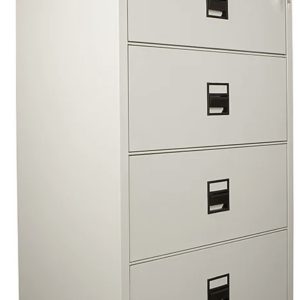
Effective storage and organization are crucial for maintaining a productive and clutter-free personal office. Utilizing solutions like desk pedestals, shelving, and filing cabinets helps keep essential items accessible while minimizing visual distractions. A well-organized space contributes to a clearer mind and more efficient workflow.
Integrating technology effectively in a personal office involves strategic placement and management to support productivity and ergonomics. Principles include positioning monitors at eye level, ensuring easy access to peripherals, and implementing cable management to reduce clutter. This creates a seamless and functional tech setup that enhances workflow without causing discomfort.