EVERY DAY IS A BLACK FRIDAY HERE AT THE OFFICE CHAIR MAN
2026 Happy New Year from the team at The Office Chair Man
Sustainable office planning has become one of the most scrutinised operational areas for organisations preparing for 2026. As ESG reporting continues to mature, businesses are expected to demonstrate measurable environmental responsibility, responsible governance, and a commitment to employee wellbeing. Office furniture plays a central role in these outcomes, yet this category is often overlooked in sustainability strategies.
At The Office Chair Man, we have supplied high quality second hand office furniture for more than 25 years. We work with respected manufacturers and refurbish furniture to a professional standard that is ready for immediate use. Through our experience, we have seen how second hand furniture supports environmental goals, reduces spending, extends the lifecycle of valuable materials, and enables organisations to adapt workplaces to modern ways of working.
This article sets out how second hand office furniture can become a defining element of an ESG strategy for 2026. It reflects our own practices, values and expertise while offering practical guidance for businesses looking to reduce environmental impact, improve financial efficiency and support their teams with comfortable, reliable furniture.
Did you know that choosing refurbished furniture can significantly cut the carbon footprint of an office fit out without affecting quality or comfort?
ESG covers three major areas of responsibility. In the context of an office, these can be understood in practical terms:
Environmental
Social
Governance
As expectations around ESG tighten, internal decisions that once went unexamined are now viewed through a much more critical sustainability lens. Furniture procurement is one of those decisions. It influences waste levels, budgets, carbon footprints, staff wellbeing and brand reputation, all of which form part of credible ESG reporting.
Office refits, relocations and expansions often involve large volumes of furniture. New chairs, desks, meeting tables, storage units and collaborative items represent considerable resource use. Raw materials must be extracted, manufactured, packaged and transported. At the end of life, many of these items are disposed of even when structurally sound.
Second hand furniture interrupts this cycle. By reusing and refurbishing quality items, businesses extend product lifespans, reduce landfill contribution, lower demand for new materials and minimise the carbon footprint associated with manufacturing.
For organisations seeking meaningful sustainability actions, furniture is a visible and measurable place to start.
Second hand furniture only delivers the benefits businesses expect if it is handled with professional standards. At The Office Chair Man, our approach is designed to provide customers with confidence that every item will perform and present to a high level.
With these standards in place, second hand furniture becomes a dependable asset rather than a compromise. Customers can benefit from high quality furniture that has been responsibly restored and carefully checked.
Environmental responsibility is central to modern ESG strategies. Second hand furniture supports sustainability in several interconnected ways.
Much of the furniture discarded during office moves or redesigns is still structurally sound. By putting these items back into circulation after refurbishment, businesses reduce the amount of waste they generate. Every chair, desk or storage unit reused represents one less item heading toward landfill.
Our refurbishment and resale model ensures furniture remains useful for many additional years. This approach contributes directly to waste reduction targets and circular economy goals.
Producing new furniture requires metal, plastics, wood and textiles. Extracting and processing these materials consumes energy and often generates carbon emissions. Reusing existing furniture avoids the need for new materials and reduces the environmental footprint associated with manufacturing.
By selecting second hand furniture, organisations help limit the depletion of natural resources and support more sustainable consumption patterns.
New items often travel through lengthy supply chains involving multiple stages of transport. Second hand furniture supplied directly from our stock avoids repeated freight movements and reduces associated emissions. In addition, refurbished items require minimal packaging, cutting further waste from the procurement process.
Circular economy thinking aims to keep materials in use for as long as possible through reuse, repurposing and refurbishment. Second hand furniture is a practical real world demonstration of this principle.
By incorporating refurbished items into office planning, companies show clear alignment with sustainability frameworks and demonstrate responsible lifecycle management of products.
Alongside environmental benefits, second hand furniture brings powerful financial and practical advantages. These are especially relevant for organisations balancing ESG commitments with budget constraints.
Because depreciation has already occurred, second hand furniture is significantly more cost effective than buying new. Many customers reduce their furniture spend by up to 75 per cent through refurbished items. These savings can be redirected to other priorities such as technology, staff training, wellbeing programmes or workspace upgrades.
Premium furniture manufacturers create products built to last. Second hand options allow businesses to obtain high specification pieces at far lower cost. Many of the chairs and desks we refurbish offer better ergonomics, longer product life and higher build quality than budget new items.
New furniture may require weeks or months of lead time depending on manufacturing schedules. By contrast, second hand furniture is ready for dispatch from our UK site. This accelerates fit outs, reduces delays during office moves, and supports urgent expansion or reconfiguration.
New furniture typically depreciates quickly. Purchasing refurbished items avoids this initial drop in value. Well maintained second hand furniture retains usefulness and function for many years, making it a sensible long term investment.
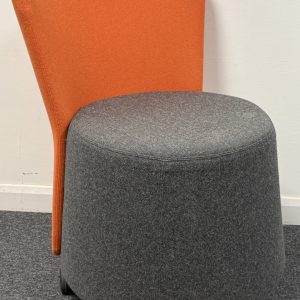
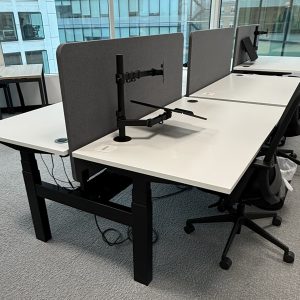
Our large and varied inventory enables both small and large organisations to complete full workspace fit outs using second hand furniture. Chairs, desks, collaborative pieces, breakout seating, pods and storage can all be sourced in matching quantities.

Social considerations form the second pillar of ESG. Office furniture plays a surprisingly large role in shaping staff experience and supporting wellbeing.
Good seating and workstation design help employees maintain healthy posture and reduce discomfort during long working hours. Our refurbished chairs are sourced from reputable manufacturers known for ergonomic performance. The inspection process ensures all adjustment mechanisms and structural components function correctly.
This attention to ergonomics improves comfort, helps reduce strain and supports overall productivity.
All furniture supplied by The Office Chair Man is thoroughly cleaned and refurbished. Items arrive ready for immediate use with no need for additional preparation. This gives employees confidence that second hand furniture is safe, hygienic and fit for purpose.
Sustainable offices send a clear message about company priorities. Choosing second hand furniture shows employees and clients that the organisation values resource efficiency, responsible decision making and environmental care. This contributes positively to workplace culture and can strengthen internal engagement.
As hybrid working continues to evolve, organisations require furniture that supports flexibility. Second hand desks, storage, breakout seating, collaborative furniture and acoustic booths can be reconfigured easily as teams shift between in person and remote work patterns. This gives organisations greater agility at far lower cost than commissioning new furniture.
Embedding refurbished furniture into an ESG strategy requires thoughtful planning and clear processes. The steps below outline a practical approach.
Conduct a full review of existing furniture to determine which items are still serviceable. Consider:
This assessment helps establish the true demand for new items and reduces unnecessary procurement.
Set goals that guide procurement choices. Examples include:
These objectives provide structure and support ESG reporting.
Working with an expert supplier ensures that furniture meets high standards. At The Office Chair Man, our refurbishment process, careful sourcing, 30 point inspection and nationwide delivery create a smooth and reliable procurement experience. This provides consistency across multiple purchases and supports scalability.
Include clear quality and safety requirements in procurement processes:
These criteria strengthen governance and ensure refurbished furniture complements workplace needs.
Second hand furniture works best when spaces are planned to accommodate change. Using modular desks, movable storage units, breakout zones, soft seating and acoustic pods helps organisations redesign layouts without major cost or environmental impact.
Measure the benefits of second hand furniture in your ESG reporting. Metrics may include:
Tracking these outcomes demonstrates responsibility and provides measurable evidence of progress.
Formalise an internal policy that prioritises reuse. This may involve:
Such a policy strengthens governance and prevents wasteful purchasing habits.
Despite the proven advantages, some organisations have concerns about second hand furniture. These concerns can be resolved easily when refurbishment is carried out to professional standards.
Our 30 point inspection ensures consistent quality across all refurbished items. Furniture must meet strict standards for structural integrity, comfort, function and appearance before it is made available.
Our stock includes a wide range of designs, colours and brands. Matching sets, modern styles and cohesive aesthetics are all achievable. For more specialised looks, upholstery services can help achieve consistent finishes.
We offer nationwide delivery and hold stock ready for dispatch. This often simplifies procurement compared with ordering new furniture that may involve long lead times or piece by piece shipments.
Our inventory includes large volumes of chairs, desks, storage units and collaborative items, along with acoustic booths and pods. This enables full office fit outs for both small and large organisations.
The next few years will place increasing emphasis on sustainability, resource efficiency and responsible procurement. Furniture has a significant role in these developments. As workplaces continue to evolve, second hand furniture presents an opportunity for organisations to reduce environmental impact, lower expenditure and operate with greater flexibility.
Choosing refurbished items helps businesses meet ESG expectations while supporting employee comfort and wellbeing. It fits naturally within circular economy frameworks and aligns with responsible corporate behaviour. With immediate availability, lower costs and high quality refurbishment processes, second hand furniture is well positioned to lead sustainable office planning in 2026.
Second hand office furniture is a practical and powerful tool for organisations committed to ESG progress. Through responsible sourcing, professional refurbishment and careful quality control, refurbished furniture can match the performance and appearance of new items while offering significant environmental and financial advantages.
At The Office Chair Man, we take pride in supplying refurbished furniture that supports sustainability, comfort and value. As businesses rethink their office strategies for 2026, we encourage them to explore the benefits of second hand furniture and consider how it can contribute to responsible, flexible and cost effective workspaces.
Sustainable planning is no longer an aspiration. It is a responsibility. Second hand furniture makes that responsibility achievable.
Equip your workplace responsibly with high quality refurbished furniture from The Office Chair Man and make sustainability part of every decision.