EVERY DAY IS A BLACK FRIDAY HERE AT THE OFFICE CHAIR MAN
JUNE OFFER! Qty 1–5 5%, 6–10 10%, 11–15 15%,16–20 20%, 21+ 25% Saving.
ESG targets can feel difficult to turn into everyday workplace decisions. Office and facilities teams are often asked to reduce waste, improve procurement choices, support staff wellbeing and stay within budget at the same time.
Furniture is a practical place to start.
Every office has chairs, desks, storage, meeting furniture and breakout areas. These items are visible, heavily used and regularly replaced during office moves, refurbishments, expansions and reconfigurations. When a business chooses reused or refurbished office furniture instead of automatically buying new, it can support environmental goals without creating extra cost.
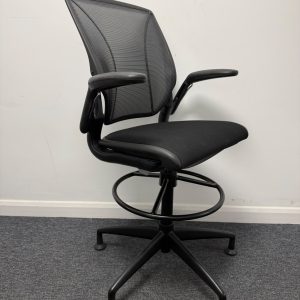
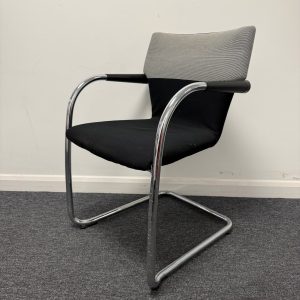
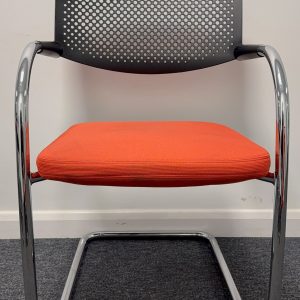
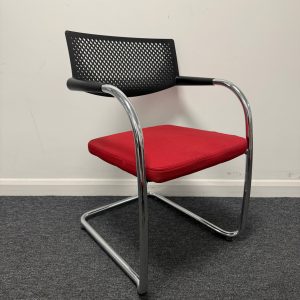
At The Office Chair Man, we specialise in high-quality used office chairs and recycled office furniture. Based in Reading, Berkshire, we keep stock across categories including used office chairs, tables, dividing screens, pedestals, storage units, conference tables and collaborative workspace furniture. That matters for Office Managers, Facilities Managers, Workplace Managers and Operations Managers because ESG only works when it fits real project pressures.
The aim is not to buy reused furniture for the sake of it. The aim is to buy intelligently: choose furniture that is available, suitable, clean, checked, cost-effective and ready for commercial use.
Did you know? We offer savings of up to 75% off RRP on selected used office furniture, helping businesses support ESG goals while protecting their budget.
ESG is often discussed at board level, but many of the choices that affect it happen during routine workplace projects.
An office refresh, relocation or expansion creates a long list of procurement decisions. Do you buy new desks, or reuse suitable existing ones? Do you replace a full set of worn task chairs with cheap new alternatives, or source refurbished commercial seating? Do you dispose of surplus items quickly, or look for a more responsible route?
Furniture has a role in ESG because it connects directly to:
The UK waste hierarchy gives priority to preventing waste and preparing items for reuse before recycling, recovery or disposal. For office furniture, that makes reused and refurbished products a practical environmental choice when the condition, function and availability are right.
This is especially relevant for businesses with 11 to 500 employees. These organisations often need enough furniture to make procurement meaningful, but they may not have unlimited budgets or long project timelines. Used office furniture can help them improve their workplace without treating sustainability as an expensive add-on.
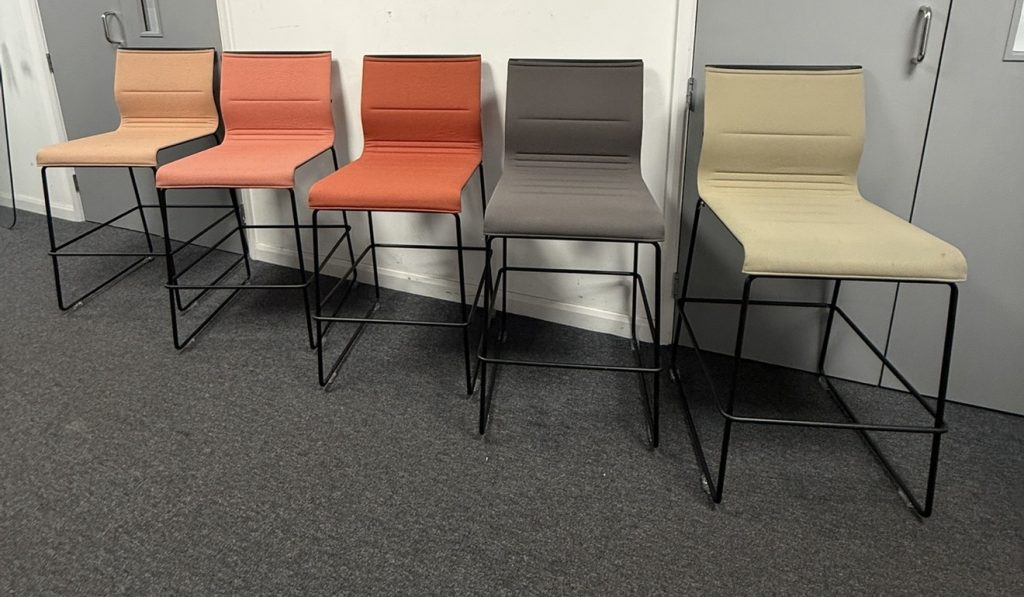
At The Office Chair Man, our focus is on supplying used office furniture that still has a useful working life. That could mean task chairs for a growing team, conference chairs for a meeting suite, storage for a reconfigured office or collaborative furniture for a breakout area.
Used well, reused furniture is not a compromise. It is a way to make better use of products that are already in circulation.
For most office and facilities teams, the biggest question is simple: will this cost more?
In many cases, reused office furniture can reduce costs compared with buying new. The Office Chair Man website highlights savings of up to 75% off RRP, depending on the item, stock and availability. That makes reused furniture especially useful when a business needs to improve sustainability while still protecting the fit-out budget.
This is where refurbished commercial furniture can be stronger than low-cost new furniture. A cheap new chair may look appealing on a spreadsheet, but it may not offer the same durability, comfort or specification as a recognised commercial brand. A professionally checked used chair from a respected manufacturer can give a business access to a better standard of seating at a lower price than buying the equivalent product new.
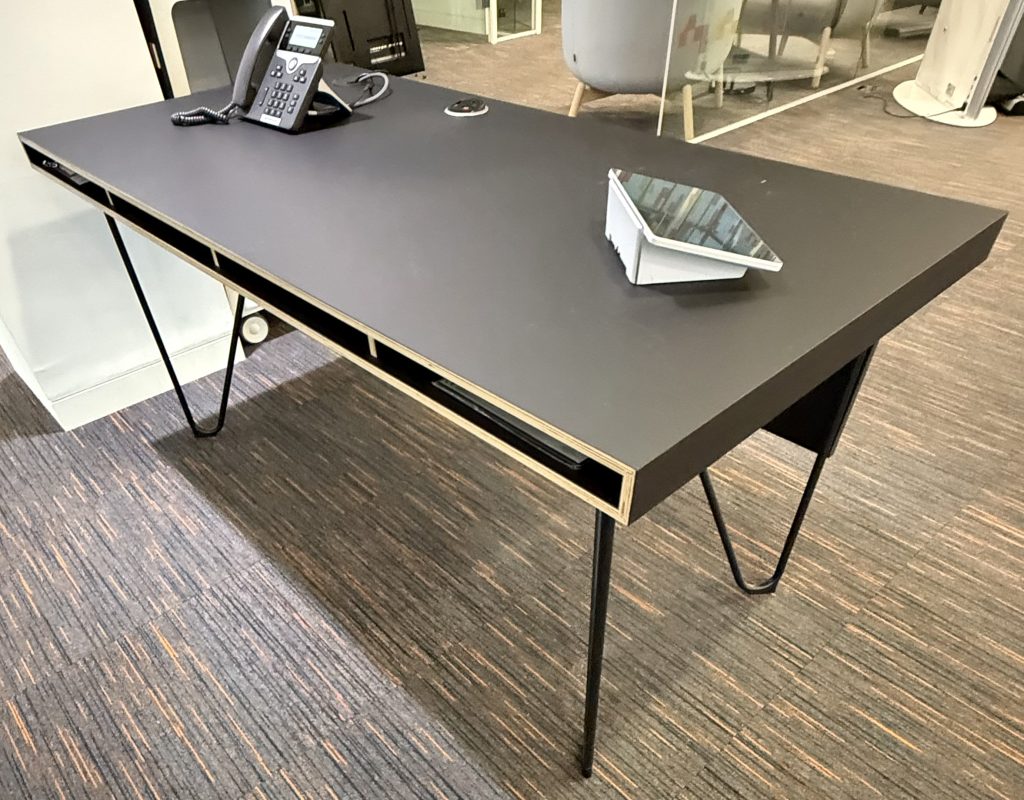
The same principle can apply across other furniture categories. Desks, storage, tables, booths and seating all need to perform in a working environment. If they are clean, checked and suitable for the space, reused items can help reduce capital spend while still supporting a professional office finish.
For ESG reporting, the financial argument is important. A reused furniture decision is much easier to approve when it can be described as both sustainable and commercially sensible.
A useful internal message might be:
We have chosen reused and refurbished office furniture where suitable because it supports our ESG objectives, reduces unnecessary disposal and helps keep the project within budget.
That is the strongest kind of sustainability decision: one that works environmentally, financially and operationally.
Before placing any order, start with an office furniture audit.
This does not need to be complicated. The purpose is to understand what you already own, what still works, what needs replacing and what gaps exist. An audit helps avoid unnecessary buying, supports better budgeting and gives decision-makers a clear reason for each purchase.
Review each area of the workplace and record:
For Office Managers and Facilities Managers, this process is valuable because it turns a vague requirement into a practical buying list. Instead of saying “we need new furniture”, you can say “we need 42 task chairs, 8 pedestals, 4 meeting tables and 2 storage units, while reusing the existing bench desks”.
That level of clarity supports ESG in two ways. First, it prevents over-ordering. Second, it shows that the business has considered reuse before buying additional items.
A good audit protects the budget and strengthens the ESG story. It also makes the conversation with suppliers much more efficient.
Buying reused furniture should never mean accepting poor quality.
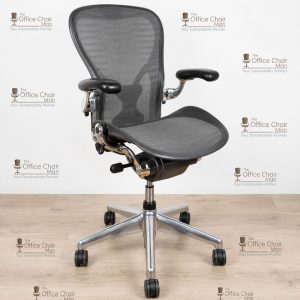
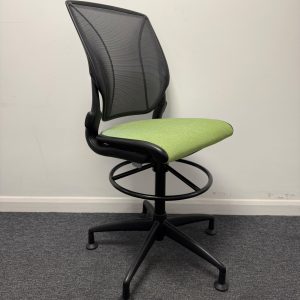
The best results usually come from choosing commercial-grade furniture that was designed for proper office use in the first place. The Office Chair Man stocks used office chairs and furniture from recognised manufacturers, including brands such as Herman Miller, Humanscale, Kinnarps, Orangebox, RH, Steelcase and Vitra.
That matters because offices place heavy demands on furniture. Task chairs are used for long periods. Meeting chairs are moved regularly. Storage is opened and closed every day. Desks need to support equipment, cabling and changing working patterns.
Low-cost new furniture may be suitable in some situations, but it is not always the best long-term value. Reused commercial furniture can be a better choice when it offers:
At The Office Chair Man, used office chairs are checked and prepared before being supplied. The website explains that pre-owned chairs should be in top quality condition, clean and ready to be used. It also states that used office chairs go through mechanical checks and a deep clean.
For facilities teams, this is a crucial distinction. The question is not simply “is it used?” The better question is “has it been properly checked, cleaned and prepared for reuse?”
| Buying Consideration | Why It Matters | What To Check |
| Condition | Protects appearance and usability | Upholstery, surfaces, frame, mechanisms and castors |
| Quantity | Supports consistency across teams | Matching or compatible stock levels |
| Suitability | Ensures the furniture fits the space | Task use, meeting use, storage use or breakout use |
| Availability | Reduces project delays | Current stock and delivery timescales |
| Brand quality | Improves long-term value | Recognised commercial manufacturers |
| Preparation | Builds confidence in reused items | Cleaning, checks and any refurbishment work |
| Delivery planning | Keeps the project on track | Access, dates, quantities and installation needs |
This kind of table is useful for internal approval documents because it shows that reused furniture is being assessed professionally, not chosen casually.
For many Office Managers and Facilities Managers, the hardest part is not choosing the furniture. It is explaining the decision internally.
A strong ESG business case should be practical, not vague. It should connect reused furniture to the pressures the business already understands: cost, waste, speed, quality and staff experience.
Use the following format when presenting reused office furniture as an option:
Project need:
We need to replace worn furniture, support an office move, expand a team or reconfigure the workplace.
Recommended approach:
Source suitable reused or refurbished office furniture where stock, condition and specification meet the project requirement.
Commercial benefit:
Reduce spend compared with equivalent new furniture and make better use of the available budget.
ESG benefit:
Extend the life of existing furniture, reduce unnecessary disposal and support a more circular procurement approach.
Operational benefit:
Use available stock to reduce lead time risk and keep the project moving.
Staff benefit:
Select furniture that supports comfort, daily use and the way each space functions.
This makes the decision easier for leadership, finance and HR teams to understand. It also avoids presenting sustainability as a separate cost centre.
Reused office furniture can be particularly persuasive when it solves several problems at once. For example, a business replacing worn seating across a 60-person office may need consistency, comfort, fast delivery and a controlled budget. Refurbished commercial seating can meet those requirements while also supporting ESG objectives.
That is the point where sustainability becomes practical.
Furniture delays can disrupt an office project quickly.
If chairs, desks or storage are late, the issue can affect IT setup, staff moves, handover dates and the overall impression of the workplace. For time-sensitive projects, available stock can be a major advantage.
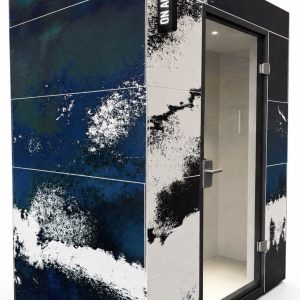
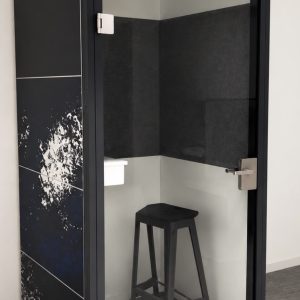
The Office Chair Man website highlights large stock holdings and available furniture across chairs, desks, storage, tables, pods, booths and collaborative furniture. For fit-out projects, this means buyers can focus on what is physically available rather than waiting for made-to-order products.
Available reused furniture can help with:
A stock-led approach does require some flexibility. If a business wants a very specific new finish, exact fabric and made-to-order configuration, new furniture may be the only option. But if the priority is speed, value, quality and ESG impact, reused stock can be highly effective.
For larger orders, early communication matters. Facilities teams should confirm quantities, delivery windows, access restrictions and whether the furniture needs to arrive in phases. The bigger the project, the more important this planning becomes.
ESG should not come at the expense of staff comfort.
Office furniture affects how people work every day. Chairs, desks and meeting furniture need to be suitable for the task, not just sustainable on paper. This is especially important for employees using display screen equipment for long periods.
HSE guidance on display screen equipment highlights the importance of good posture and suitable workstation setup. For office seating, buyers should think about adjustability, support and how the chair will be used during the working day.
When choosing reused furniture, consider:
A reused chair that is clean, checked and suitable for the user is much more valuable than a new chair that does not support the working day. This is where quality matters.
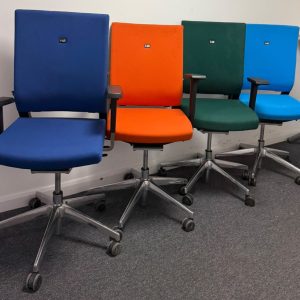
Office Managers should also think about consistency. If one team has good ergonomic chairs and another has older, worn seating, the workplace can feel uneven. Bulk buying used office chairs can help standardise comfort and appearance across a department, floor or whole office.
Reused furniture can work very well for larger offices, but planning is essential.
For a 50 to 100 desk office, the buying process should start with the essentials: task chairs, desks, storage and meeting furniture. Once those are clear, the business can look at breakout areas, reception spaces, booths, pods and additional collaborative furniture.
Before confirming a larger reused furniture order, agree:
This helps avoid last-minute changes and gives the supplier a clear brief.
For office managers handling multiple priorities, reused furniture can reduce pressure because available stock may shorten the procurement process. Instead of waiting for long manufacturing lead times, the project can be shaped around furniture that is already in circulation and ready to be supplied, subject to stock and preparation.
The key is to be clear about what matters most. If the project needs 80 matching task chairs quickly, say that early. If the office can accept complementary models across different teams, that may open up more options. If the business needs desks, chairs and storage together, ask the supplier to help source across categories.
Even when the business case is strong, people may still have concerns. These are the most common objections and how to answer them.
Yes, if the furniture is selected carefully. Reused does not have to mean mismatched or tired. Commercial-grade refurbished furniture can create a smart, consistent workplace when condition, quantity and finish are considered properly.
This depends on current stock. That is why it is important to speak to a supplier early, especially for larger orders. The Office Chair Man keeps large quantities of used office chairs and recycled office furniture, but all stock is subject to availability.
It should be. The Office Chair Man website explains that used office chairs are prepared, checked and deep cleaned before being supplied. Buyers should always ask how items are inspected and prepared.
A well-made commercial product can have a long useful life, especially when properly checked and refurbished. The key is to choose quality furniture that is suitable for the setting.
Yes, when it replaces unnecessary new purchasing and keeps usable furniture in circulation for longer. It is not the only ESG action a business can take, but it is a clear and practical procurement decision.
Once the project is complete, record what was done.
This helps ESG activity become visible and repeatable. It also gives future decision-makers a template for furniture procurement.
A simple internal summary could include:
This does not need to be a complex report. Even a short procurement note can show that the business considered reuse, cost and suitability before buying.
For growing businesses, this record can help establish a better furniture policy. Instead of treating each office change as a one-off purchase, the company can build a habit of checking reused options first.
That habit is where ESG targets become part of day-to-day operations.
Reused office furniture gives Office Managers and Facilities Managers a practical way to support ESG targets while controlling costs. It can reduce unnecessary disposal, extend product life, improve procurement choices and help businesses furnish offices professionally without automatically buying new.
At The Office Chair Man, we help businesses source high-quality used office chairs and recycled office furniture for office refreshes, relocations, reconfigurations and bulk furniture needs. When the right stock is available, reused furniture can support sustainability, staff comfort, project timelines and budget control at the same time.
For businesses that need to make ESG progress without increasing costs, reused office furniture is one of the most practical places to start.