EVERY DAY IS A BLACK FRIDAY HERE AT THE OFFICE CHAIR MAN
SUMMER 2026 OFFER! (Ends 30 September 2026) Qty 1–5 5%, 6–10 10%, 11–15 15%,16–20 20%, 21+ 25% Saving.
Furnishing a 50 to 100 desk office is rarely a design exercise alone. For most Office Managers, Facilities Managers, Workplace Managers and Operations Managers, it is an operational project with a firm deadline. A lease has started, a team is moving floors, headcount has grown, or tired furniture needs replacing before it affects how the workplace looks and feels.
That is where available stock makes a real difference.
Instead of waiting on long manufacturing lead times, you can work from furniture that is already sourced, checked and ready to be delivered. That gives you more control over timescales, more certainty over quantities, and a much clearer route from planning to installation.
At The Office Chair Man, we see this first hand. Businesses do not always need a fully bespoke furniture scheme. Quite often, they need a smart, professional office that can be up and running quickly, with dependable products, sensible pricing and a layout that works for day to day use. In many cases, refurbished office furniture is the most practical answer because it combines availability, value and sustainability in one purchase decision.
For projects of this size, speed does not come from rushing. It comes from simplifying the specification, buying from stock, and working with one supplier that can cover the core furniture categories you need.
Did you know? A structured bulk order can help reduce delays simply by finalising quantities, models, delivery details and budget approvals earlier.
Using available stock means choosing furniture that is already held and ready to be allocated to your project. Rather than building a specification around items that may take weeks or months to arrive, you build around what is in stock now and what can be delivered in the quantities you need.
For a 50 to 100 desk office, that approach has several advantages:
This is especially helpful when the project has more than one moving part. You may be coordinating an office move, a reconfiguration of departments, a hybrid working reset, or a rapid expansion after recruitment. In each case, the challenge is not just finding good furniture. It is finding the right furniture in the right quantities at the right time.
Available stock helps you make faster decisions because it narrows the field to realistic options. That often leads to better project control. Instead of comparing endless made to order possibilities, you can focus on the essentials: workstation numbers, furniture types, finishes, layout compatibility and delivery planning.

Refurbished office furniture suits larger, time sensitive projects because it solves more than one problem at once. It can shorten lead times, reduce capital spend and support sustainability goals, all while delivering furniture designed for commercial use.
For office and facilities teams, that is a strong combination.
The typical buyer in this market is not shopping for a single chair or desk. They are trying to make a whole office work. They need reliable quantities, sensible pricing and confidence that the furniture will stand up to daily use. They also need to show internal stakeholders that the project has been handled responsibly.
Refurbished furniture can help when you need to:
There is also a quality point worth making. Good refurbished furniture is not simply old furniture resold as is. At The Office Chair Man, the process involves inspection, cleaning and preparation for reuse. That matters because buyers need products that are fit for purpose, presentable, and ready for a professional office environment.
The result is a more practical route to furnishing a workplace quickly. Instead of seeing refurbished furniture as a compromise, many businesses now see it as a more efficient way to buy.
The fastest office fit outs are usually the simplest. That does not mean cutting corners. It means locking in the essentials first, then adding secondary items once the core workplace is covered.
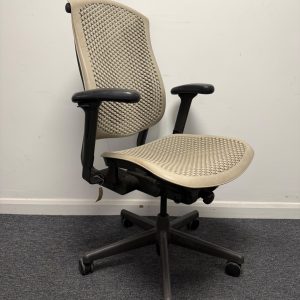
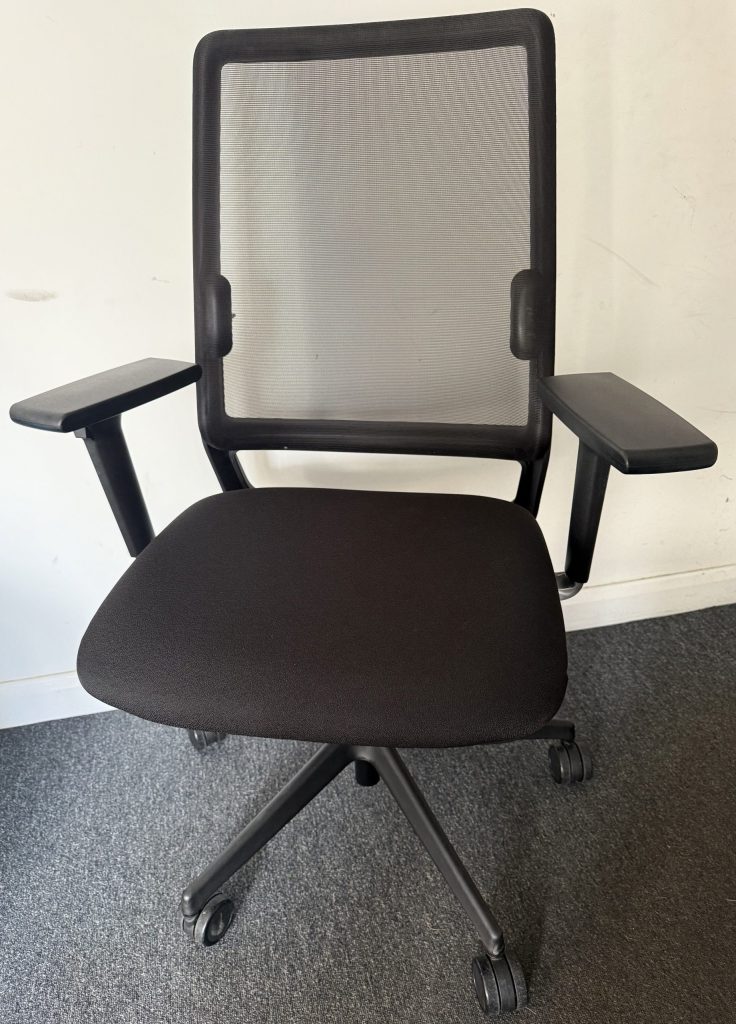
Every workstation needs a chair that is suitable for regular office use. For larger projects, consistency matters. Buying in volume is easier when you standardise around one task chair range, or a small number of chair types, rather than mixing too many models.
Look for seating that offers:
Desk choice should be led by layout, density and speed. Standard single desks and bench desks are often the quickest route for larger numbers because they are straightforward to plan and easy to replicate across departments.
Sit stand desks can be included too, but they tend to work best when used selectively. You may want them for leadership areas, specific teams or particular employee requirements, rather than across the entire office.
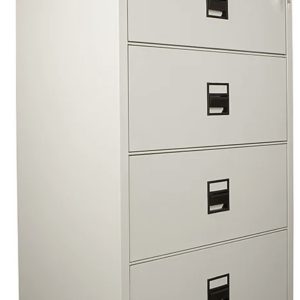
Storage is often left too late, yet it affects how tidy and usable the workplace feels from day one. Personal pedestals, lockers, cupboards and filing units should be considered alongside desk numbers, not afterwards.
A simple early decision helps:
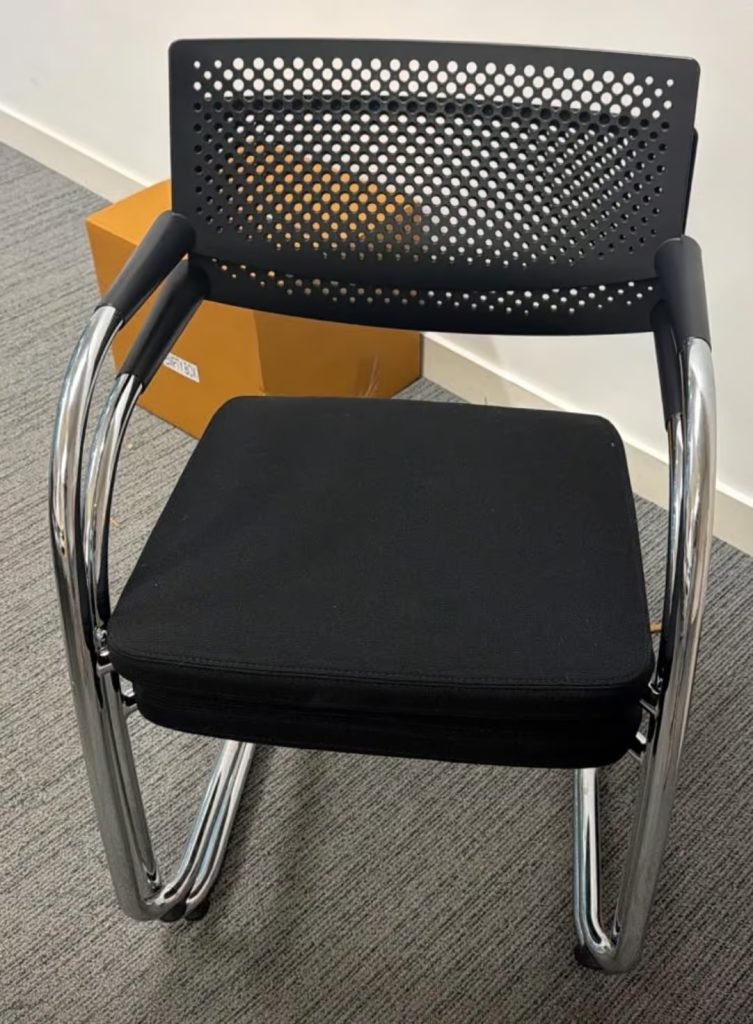
Once desks, chairs and storage are covered, think about the spaces that support collaboration. A 50 to 100 desk office will usually need some combination of meeting tables, conference seating, high tables, breakout chairs or flexible tables for shared spaces.
| Furniture category | Priority level | Why it matters in a fast rollout |
| Task chairs | Essential | Needed for every workstation from day one |
| Desks | Essential | Defines the core office layout and capacity |
| Storage | Essential | Supports organisation and day to day usability |
| Meeting tables | Important | Enables team collaboration and client use |
| Meeting chairs | Important | Completes conference and shared rooms |
| Screens | Useful | Helps zoning, privacy and acoustics |
| Breakout furniture | Useful | Improves shared spaces and staff experience |
| Booths or pods | Optional | Useful for private calls or focused work |
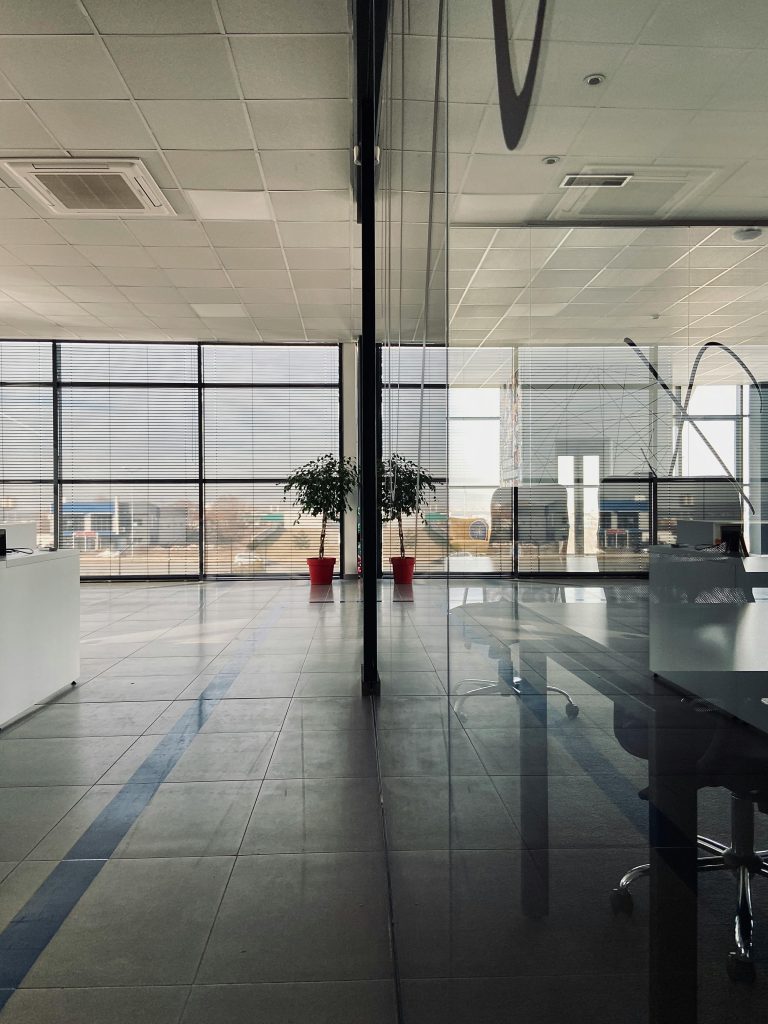
One of the easiest ways to delay a fit out is to make every item a separate decision. Too many finishes, too many desk formats and too many chair models can slow procurement, complicate layout planning and create problems later when you need replacements or additions.
Standardisation is what keeps a fast project moving.
That does not mean every item must be identical. It means setting practical limits. For example, you might choose:
This makes ordering easier and gives the office a more coherent look. It also reduces the risk of mismatch when furniture is delivered in stages.
A good rule is to be firm on what affects function and flexible on what does not. If the key requirement is a reliable task chair in volume, you may not need to insist on every minor aesthetic detail being bespoke. When you are working from available stock, that flexibility often speeds up delivery without harming the final result.
For a project involving 50 to 100 desks, coordination matters almost as much as product choice. The more suppliers involved, the more admin, communication and delivery management you create for yourself.
Buying from one supplier can simplify the process in several ways:
That is particularly useful when you need more than just desks and chairs. A supplier with stock across seating, desks, storage, meeting furniture and collaborative products can help you build a complete solution from available stock instead of assembling one piece at a time.
This is often where projects gain speed. The fastest route is not always the cheapest unit price on each individual item. It is often the route with the fewest delays, the clearest communication and the strongest control over the whole order.
Fast projects still need good planning. A short pre order checklist can save a great deal of time later.
Know how many desks are needed for immediate use and whether you need a small buffer for new starters or internal moves. Ordering exactly to today’s headcount can leave you short very quickly.
Break the order into practical lines:
Refurbished and used office furniture projects run best when the chosen models are agreed before internal approvals drag on. If stock is available, delaying sign off can mean revisiting the whole specification later.
Bulk orders should always be tested against the layout. Desk widths, storage depths, meeting table footprints and circulation space all matter. A product can be available and still be the wrong fit for the floor.
Do not leave logistics until the end. Confirm:
When buying refurbished furniture, you want clarity on preparation standards. It is sensible to ask how items are checked before sale and how consistency is managed across the order.
The more complicated the buying brief becomes, the longer the project tends to take. Keep the specification focused on what the office needs to function well from the start.
A fast office furnishing project should not force you to choose one of these and ignore the others. The strongest projects usually strike a balance.
Refurbished furniture can reduce upfront spend significantly compared with buying new. That matters for larger orders where even modest savings per workstation can make a noticeable difference to the total project cost.
Commercial furniture is built for workplace use, and that is one reason refurbished stock can work so well. You are often buying products from recognised manufacturers that were designed for daily use in professional environments.
Reuse is also a practical environmental choice. Extending the life of existing furniture helps reduce waste and can support procurement policies that favour reuse over unnecessary new purchasing.
For many businesses, that combination is the real benefit. You are not just buying furniture more quickly. You are buying in a way that can make financial and environmental sense at the same time.
Some delays are unavoidable, but many are created by decision making that becomes too complicated too early.
If workstation counts are still changing late in the process, everything else becomes harder to lock down.
Trying to source desks from one place, chairs from another, and storage from somewhere else often creates more work than it saves.
It is easy to spend too much time chasing perfect aesthetics and too little time confirming what is genuinely available.
An excellent order on paper can still go wrong if it arrives at a building with awkward access, tight lifts or restricted delivery times.
Desks and chairs tend to get the attention first, but storage, meeting furniture and screens all affect whether the office feels complete and usable.

If you need a clear route through the project, keep it simple.
Start with the real numbers and the date the office must be operational.
Cover desks, task chairs and storage first.
Focus on what is actually available in the volumes required.
Limit variations so ordering and installation stay manageable.
Check products against the floor plan and the building.
Decide whether the order is best delivered in one go or in phases.
A little extra capacity can save you from scrambling for matching items later.
Furnishing a 50 to 100 desk office quickly is very achievable when the project is approached in the right order. Available stock removes much of the uncertainty. Refurbished commercial furniture helps control cost and supports reuse. Standardisation keeps the process moving. One supplier can simplify the whole rollout.
At The Office Chair Man, we believe the most successful office projects are not always the most complicated. They are the ones built around practical choices, dependable stock and a clear understanding of what the workplace needs from day one.
If you are planning a move, expansion or refresh, start with the basics: desk numbers, furniture categories, layout constraints and your target date. From there, it becomes much easier to build a solution that looks right, works well and gets your office ready on time.
Need to furnish a 50 to 100 desk office quickly? Contact us for a stock led solution that keeps your project moving.